Steel Cased Driven Piling
Steel Piling
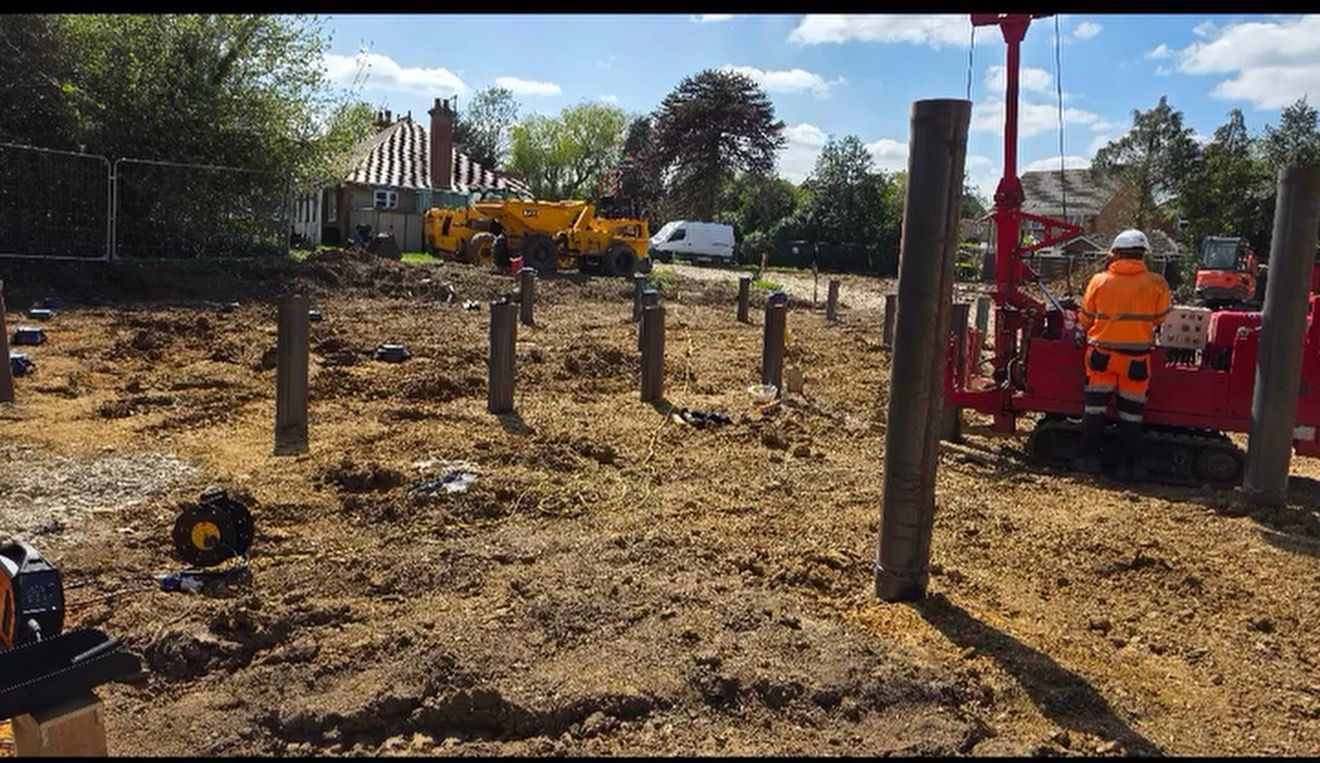
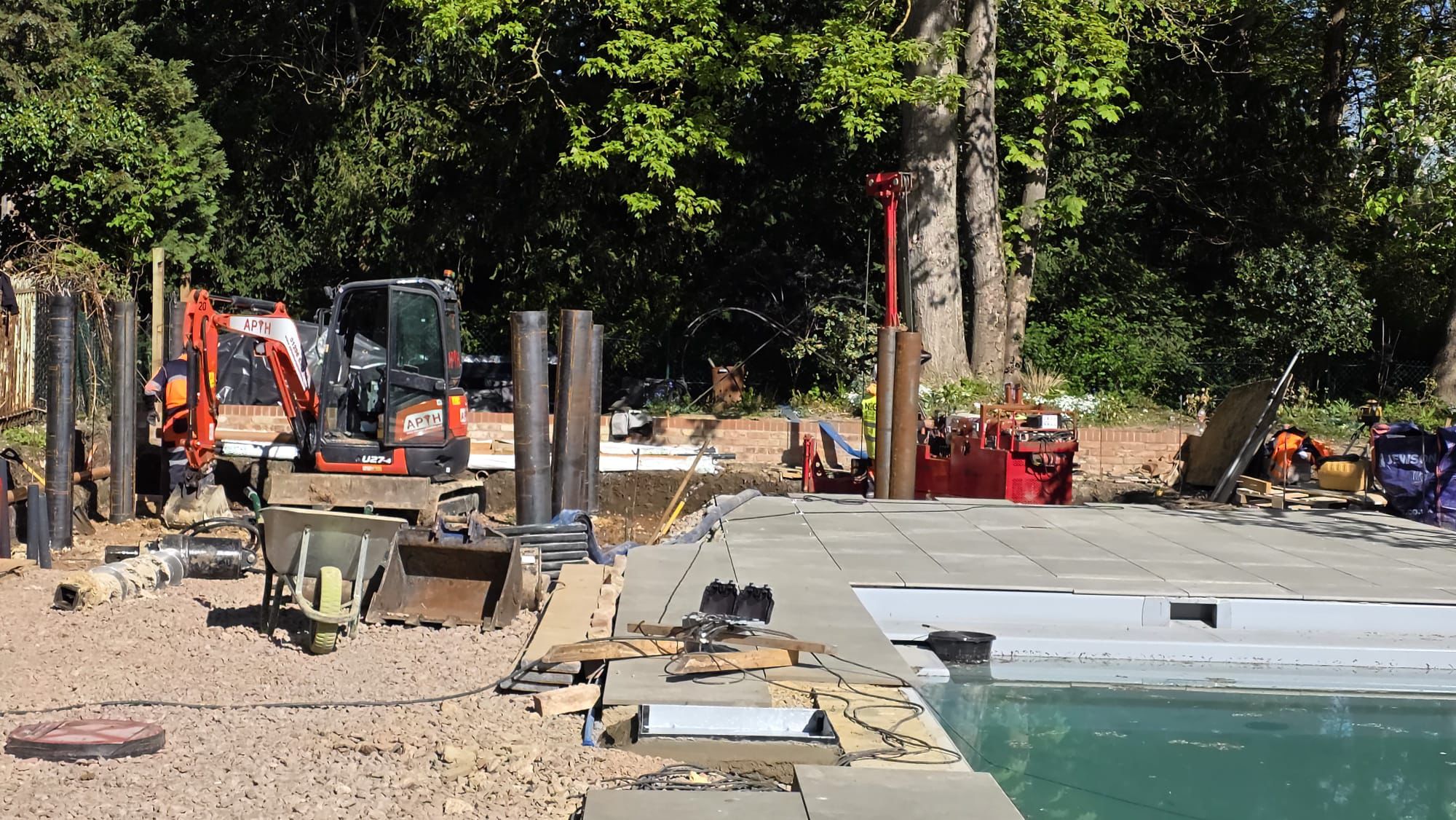
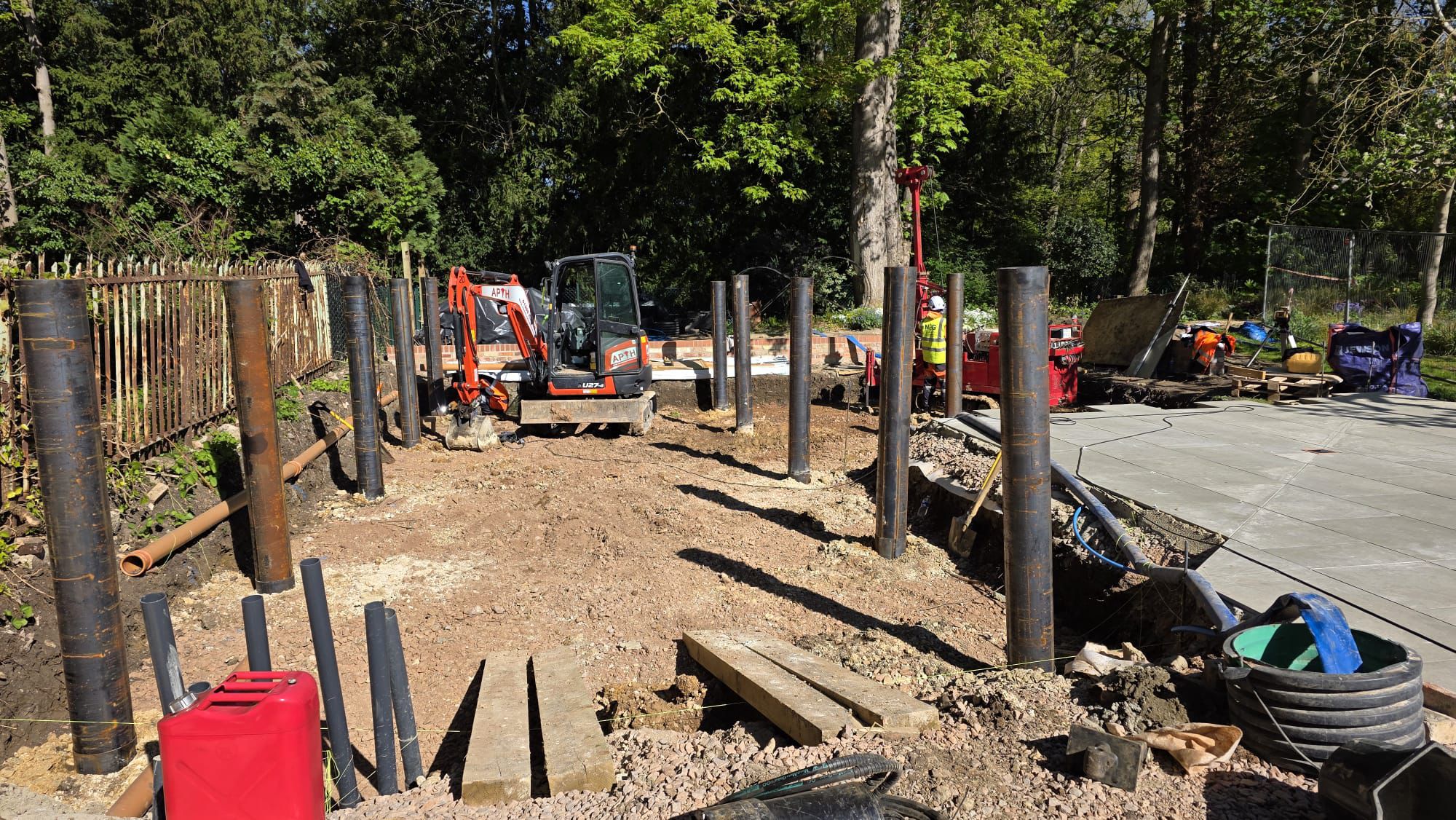
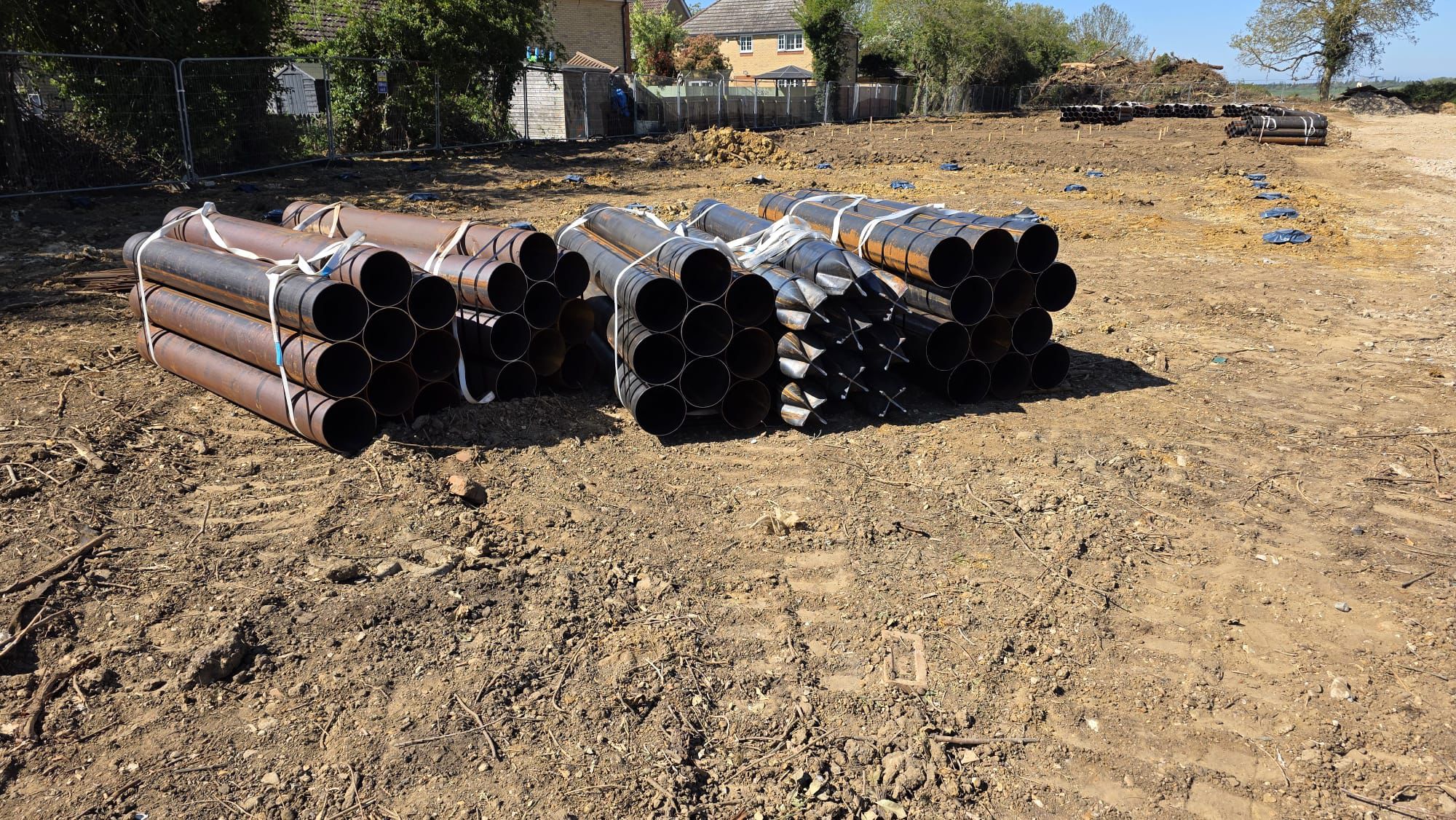
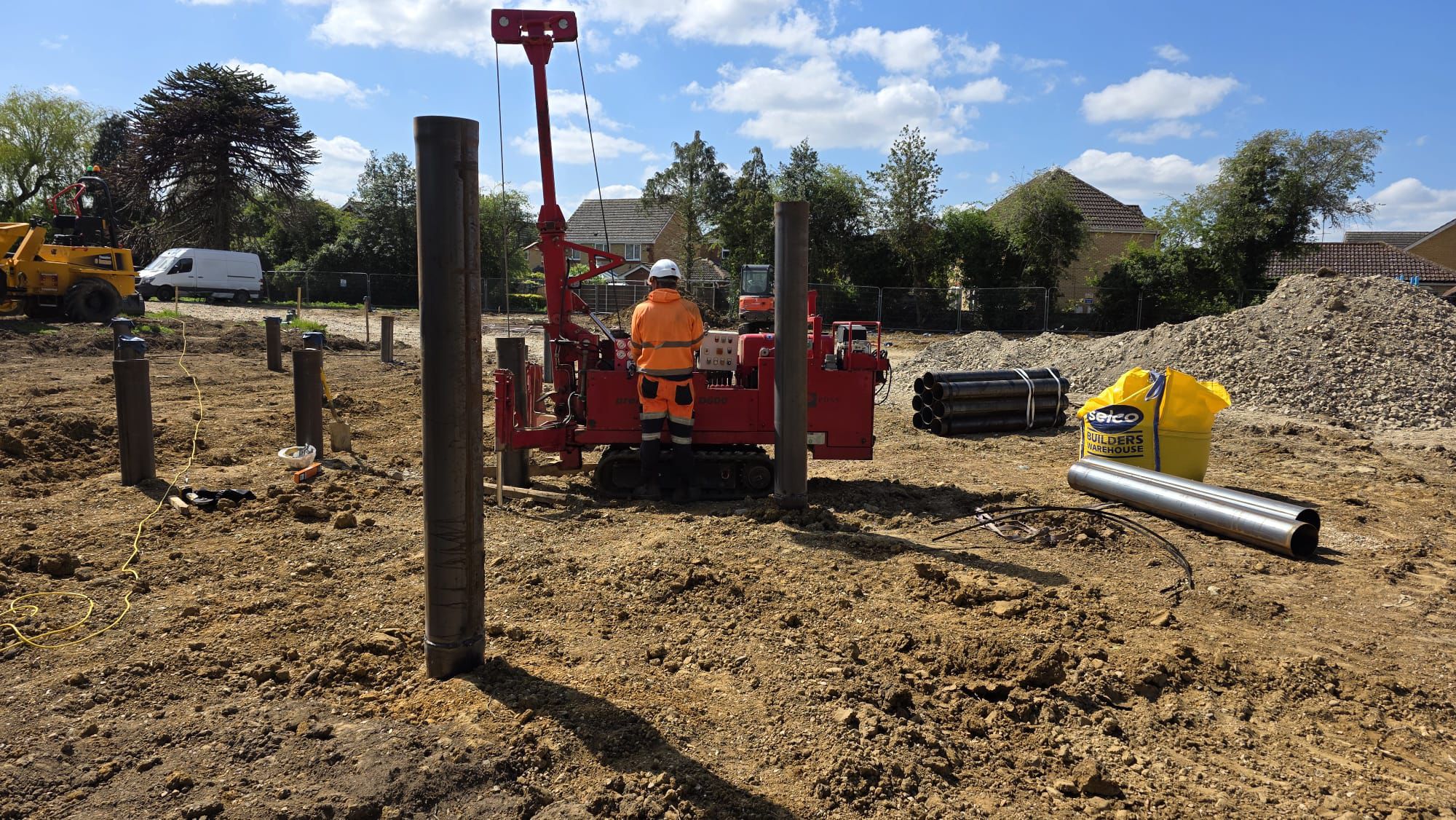
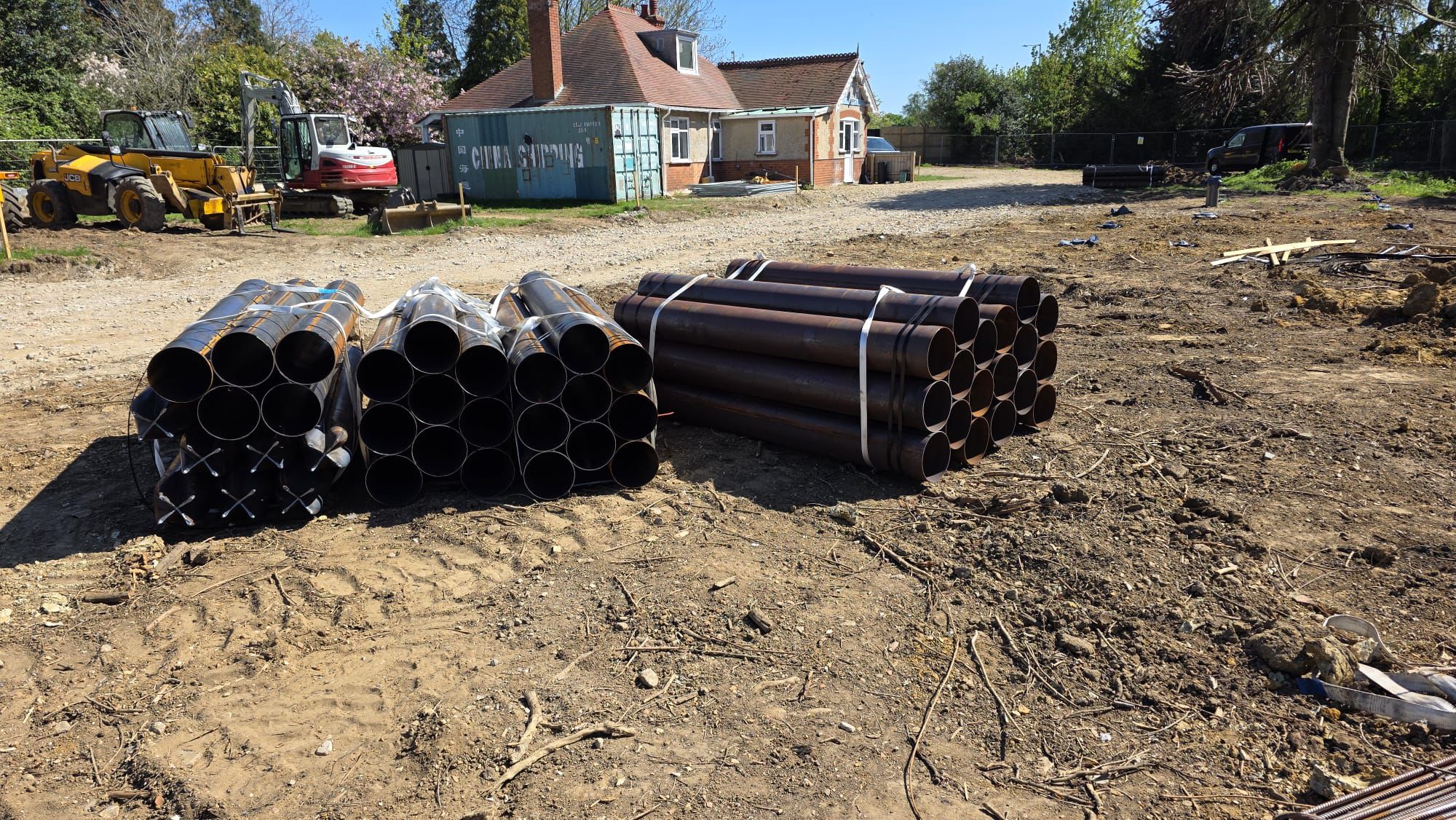
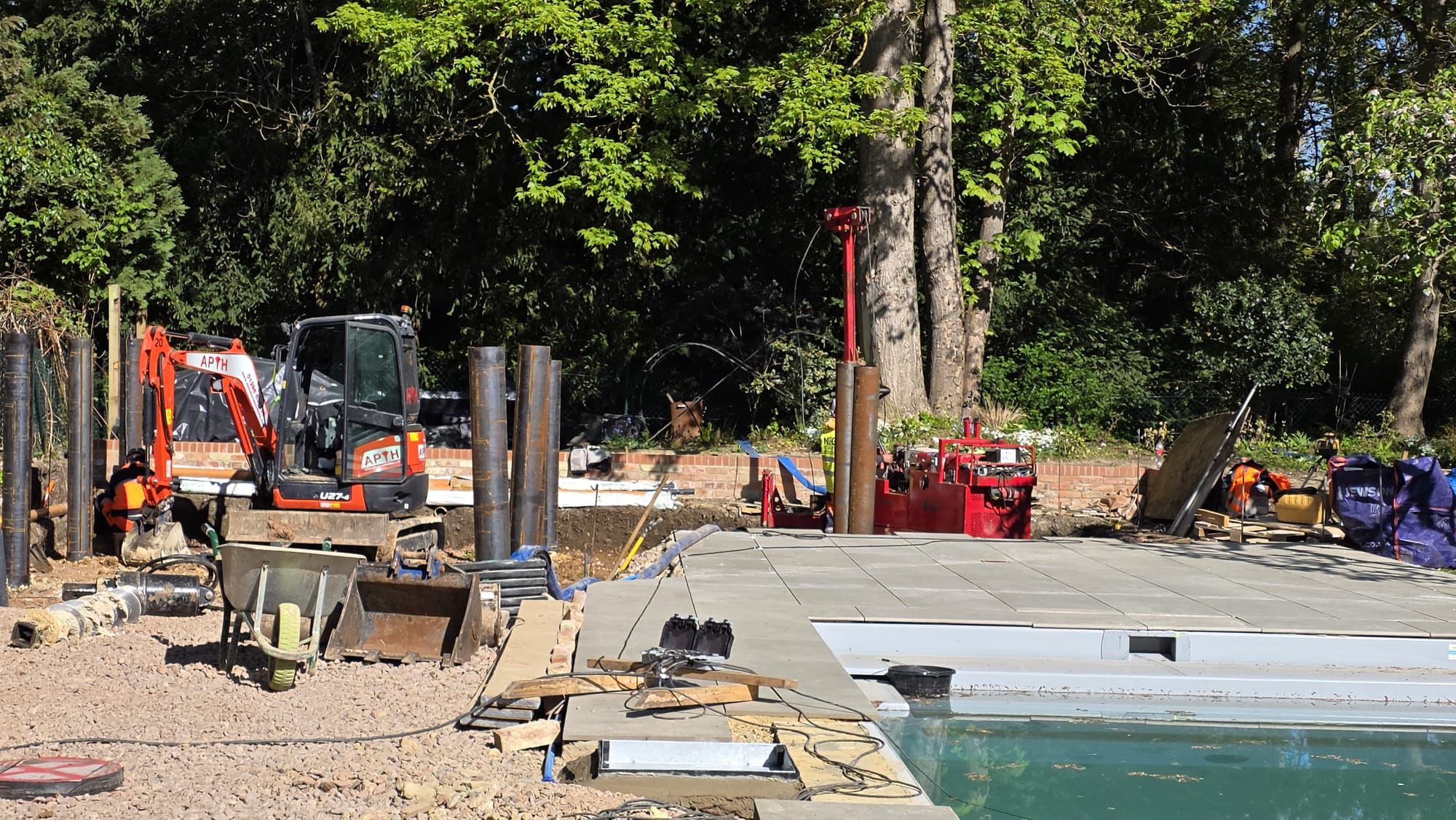
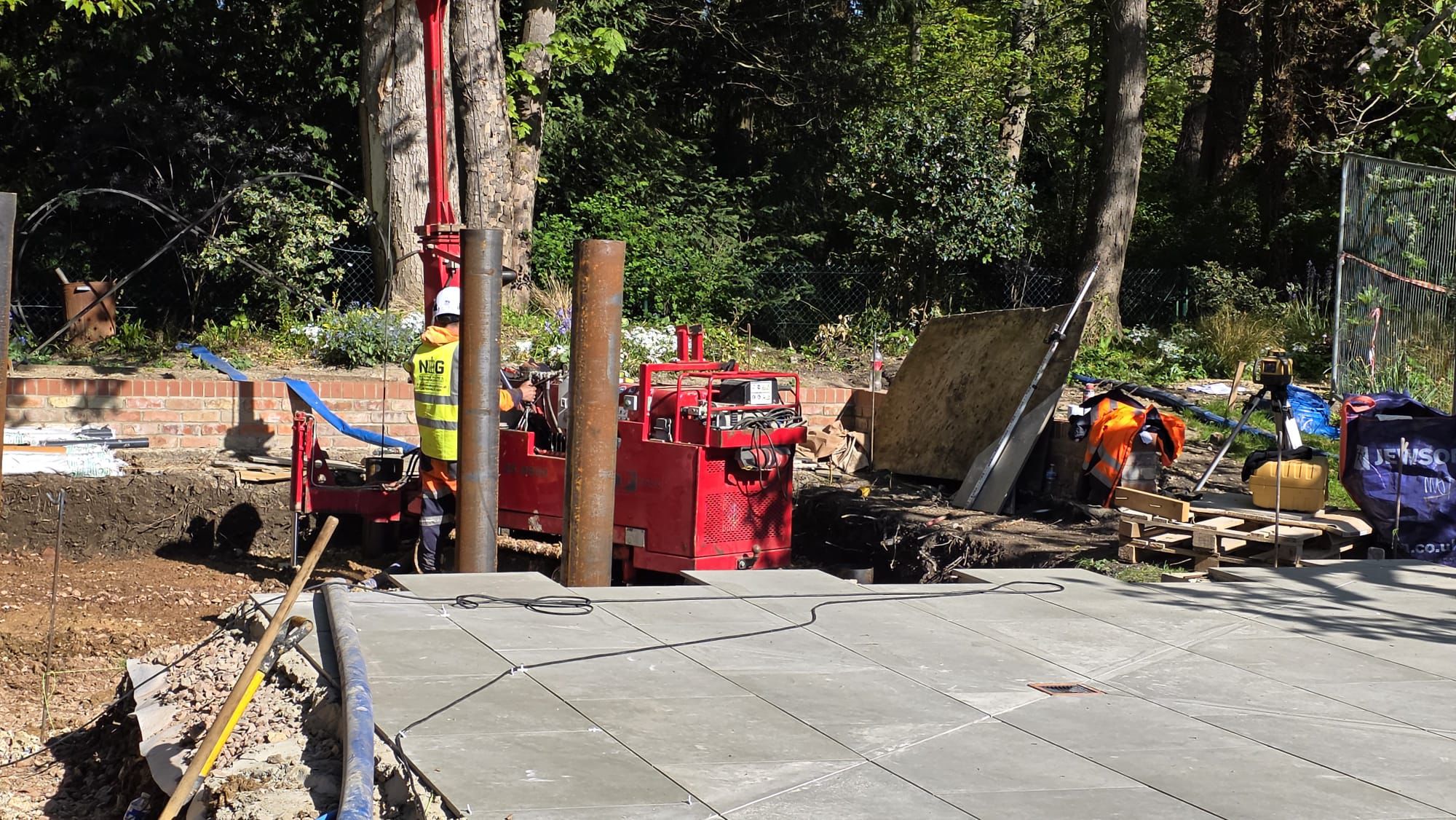
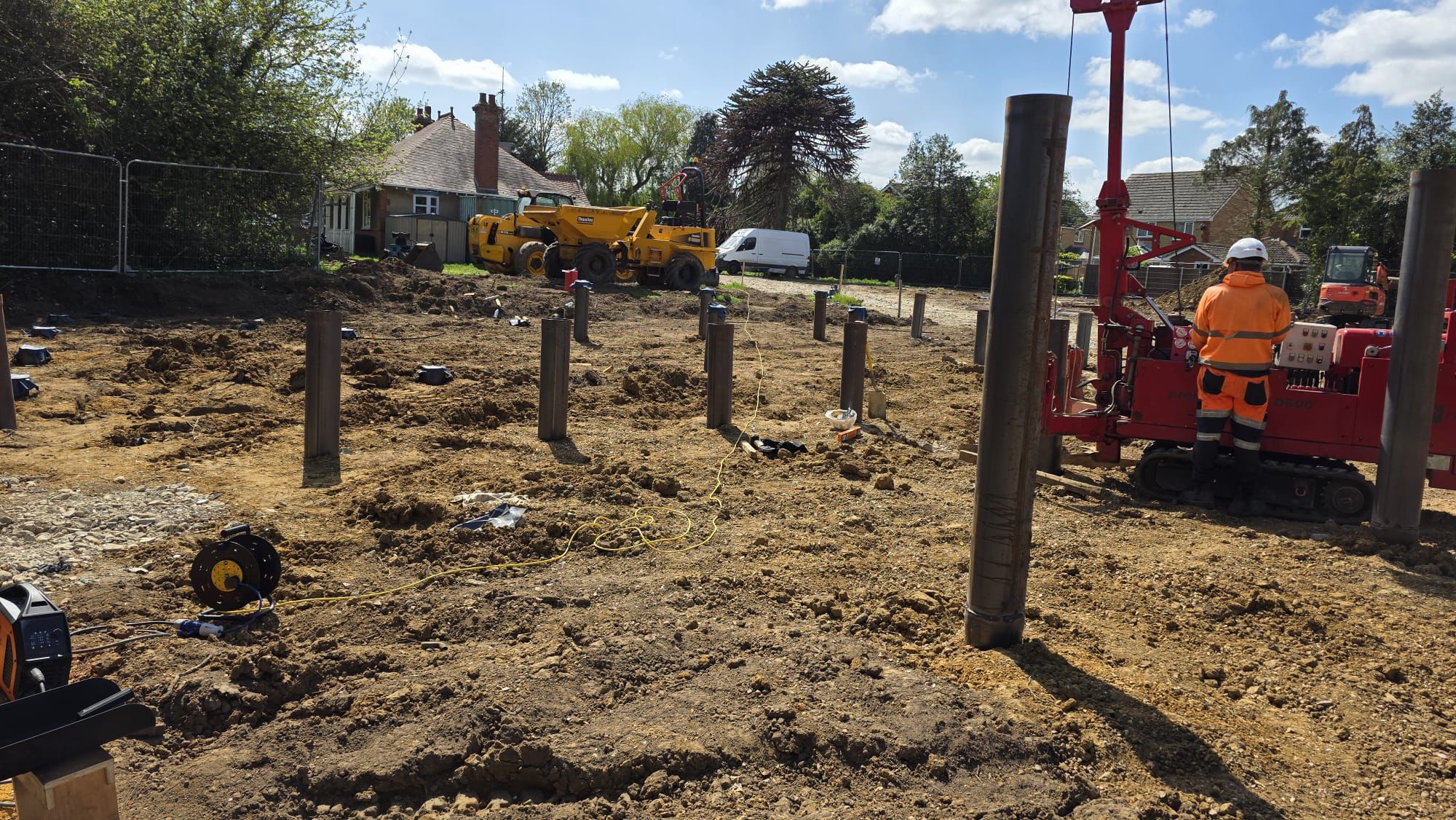
Steel cased driven piles are a displacement piling system formed by driving a hollow steel tube (casing) into the ground using hydraulic impact hammers or vibratory hammers. The casing transfers loads through end bearing, skin friction, or a combination of both. Depending on design requirements, the casing may remain permanent or act as temporary works before being filled with reinforced concrete.
This method is particularly suitable for loose soils, water-bearing strata, contaminated ground, and locations requiring rapid installation.
Steel Piling Specialists
At NPG National Piling & Groundworks Ltd, our steel piling process is designed to provide strong, stable, and long-lasting foundation support. Using high-quality steel piles and advanced installation methods, we ensure each project is completed efficiently, safely, and to the highest industry standards, even in challenging ground conditions.
Typical Applications
Industrial and commercial foundations
Bridges and infrastructure works
Marine structures
Retaining systems
Sites with unstable ground conditions
Advantages
Fast installation
Suitable below groundwater level
High load-bearing capacity
Minimal spoil generation
Can penetrate dense strata
Immediate indication of bearing resistance during driving
Limitations
Noise and vibration during installation
Potential impact on adjacent structures
Requires sufficient working headroom
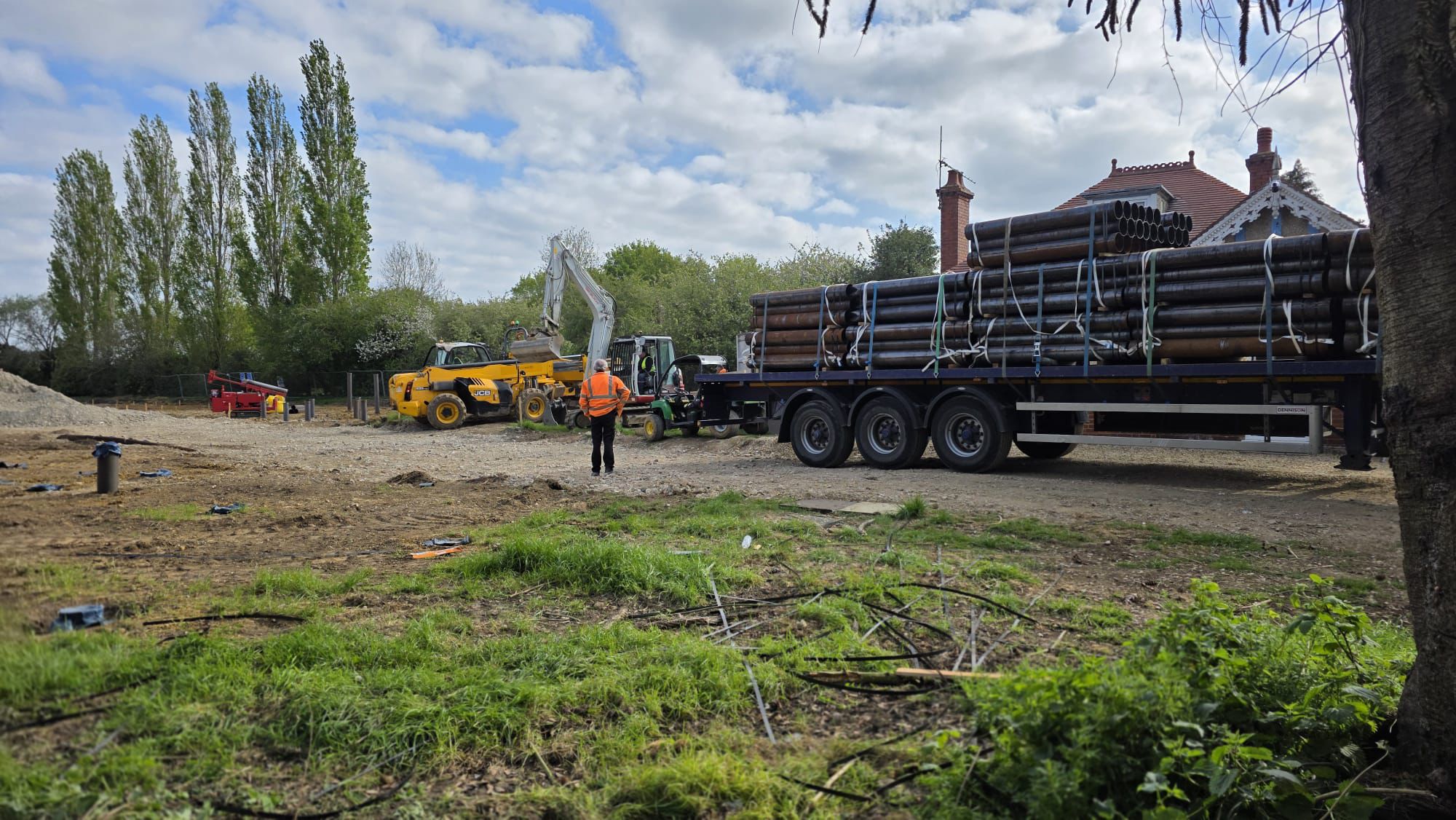
Access required for piling rigs and cranes
Typical Execution Sequence
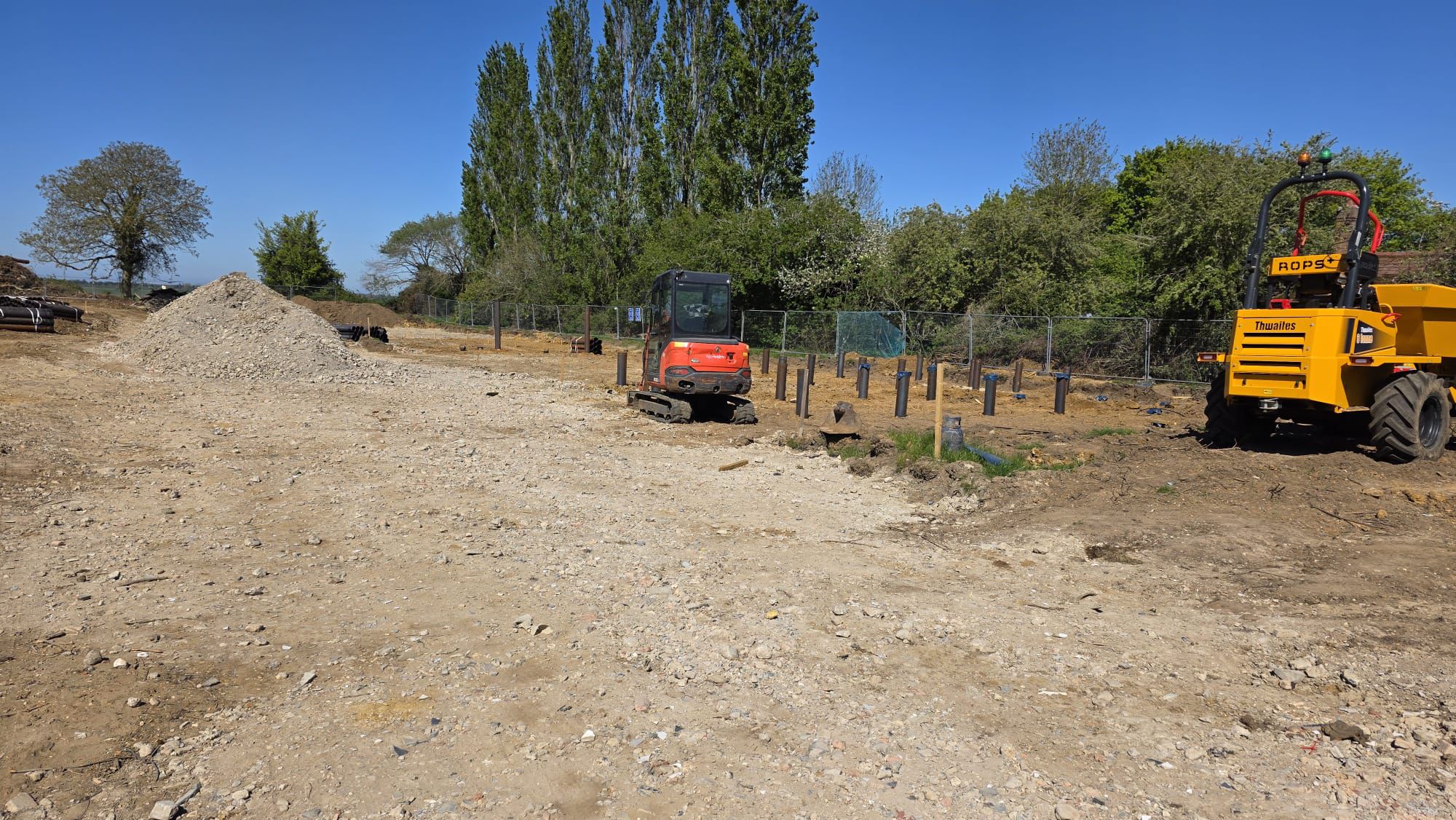
Set out pile positions
Position steel casing vertically using piling rig
Drive casing using hydraulic or vibro hammer
Monitor penetration rate and driving resistance
Continue driving to design depth or refusal criteria
Clean inside casing if required
Insert reinforcement cage where specified
Place concrete via tremie or direct pour
Trim pile to cut-off level
Quality Control
Driving records
Hammer energy monitoring
Verticality checks
Concrete testing
Pile integrity testing if specified
Subject To
Detailed structural and geotechnical design
Suitable site access and working platform
Vibration and noise assessment
Temporary works design where applicable